City Never Sleeps: six new heroes, a rebuilt city, and what it means for mods
Deadlock's largest update yet rebuilds the map, replaces every neutral camp, overhauls the HUD and adds six heroes releasing two a week from 2 October. Here is what changed, and which of the 4,149 mods in our index are most likely to need a fix.
· 6 min
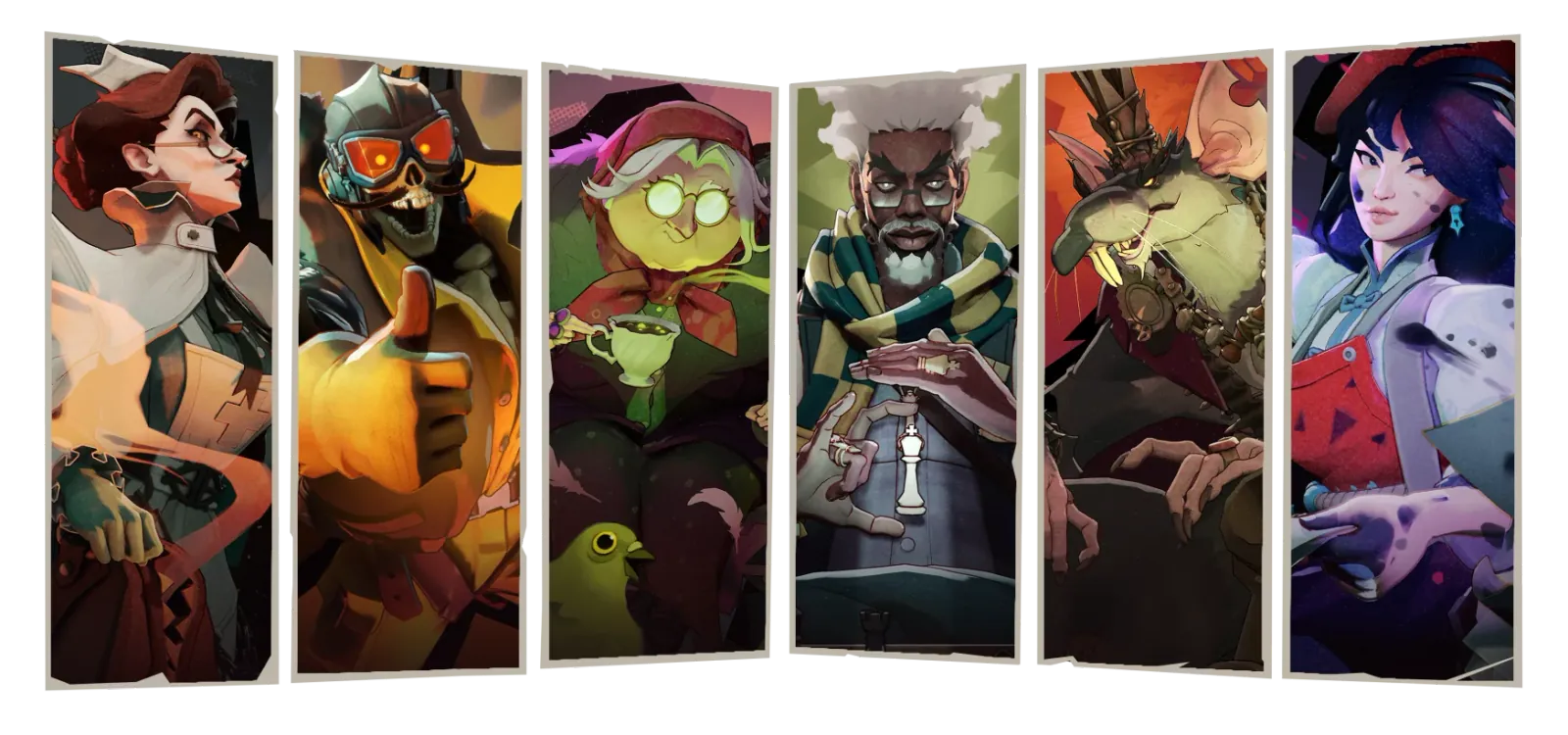
Valve has shipped the largest Deadlock update so far. City Never Sleeps rebuilds the map, replaces every neutral camp with new creatures, reworks most of the interface, adds a mysterious merchant who sells upgrades with strings attached — and brings six new heroes, arriving two a week from 2 October.
Here is what changed, and which mods are most likely to need a fix.
What changed
 The map is rebuiltNot patched. New lanes, four side districts and a visual overhaul across the whole city.
 Every neutral is newThe old camps are replaced by Haunts — creatures with their own behaviours, not reskinned filler.Six new heroesReleased two a week, in an order players vote on. The first arrives 2 October.
 The BrokerA travelling merchant who turns your items into stronger Corrupted versions that carry a downside.
 A readability passReworked health bars, ally indicators, an event feed and a rebuilt shop, plus real accessibility settings.
 Sandbox toolsBot recording and playback, a combat log, a DPS meter and shareable keybind codes.
The six new heroes
Baba, Deadman Danny, Nurse Harrow, Rat King, Solomon and Violet.
They do not all arrive together. Two heroes release each week, on Tuesdays and Fridays at 2:00pm Pacific, and players decide the order by voting in the new pregame lobby. The winning team's votes count double, your first win of the day doubles your votes again, and once releases begin you earn priority tokens by playing. Voting is open now; the first hero lands on 2 October.
The city itself

The Cursed Apple has been redrawn. Alongside the main lanes there are now four districts — Theater, Chinatown, Haunted Lot and Plaza — tucked between the main streets, each with its own encounters.

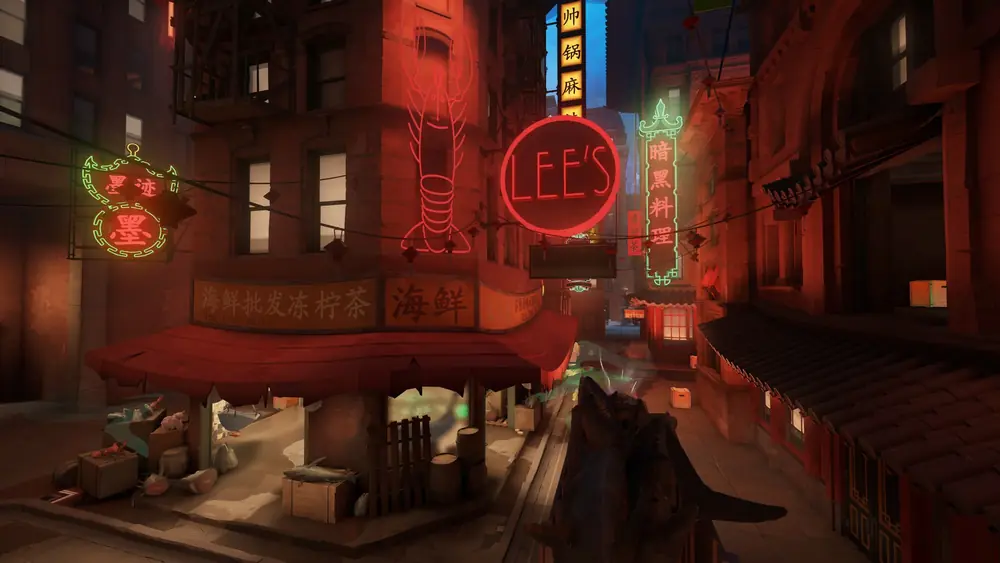
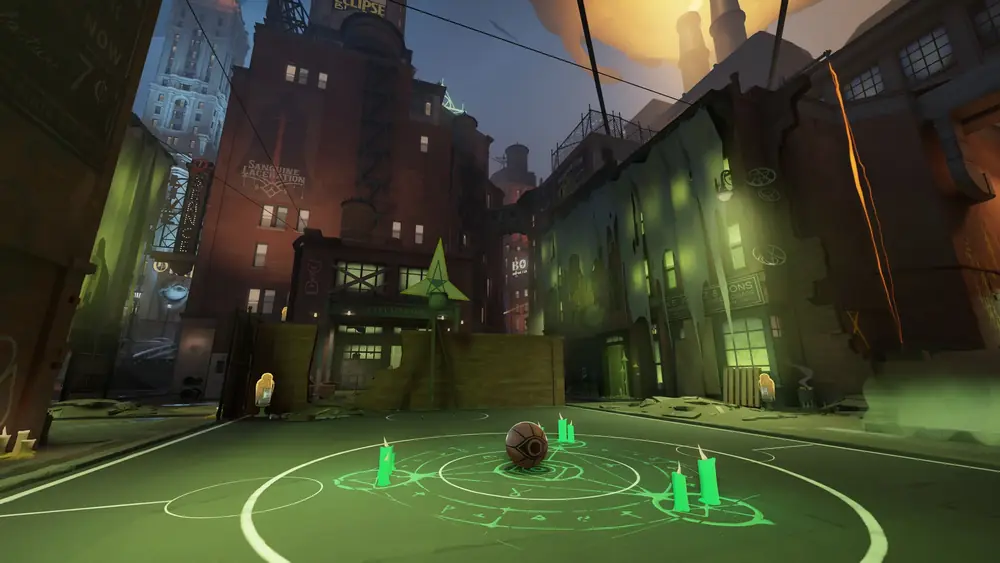
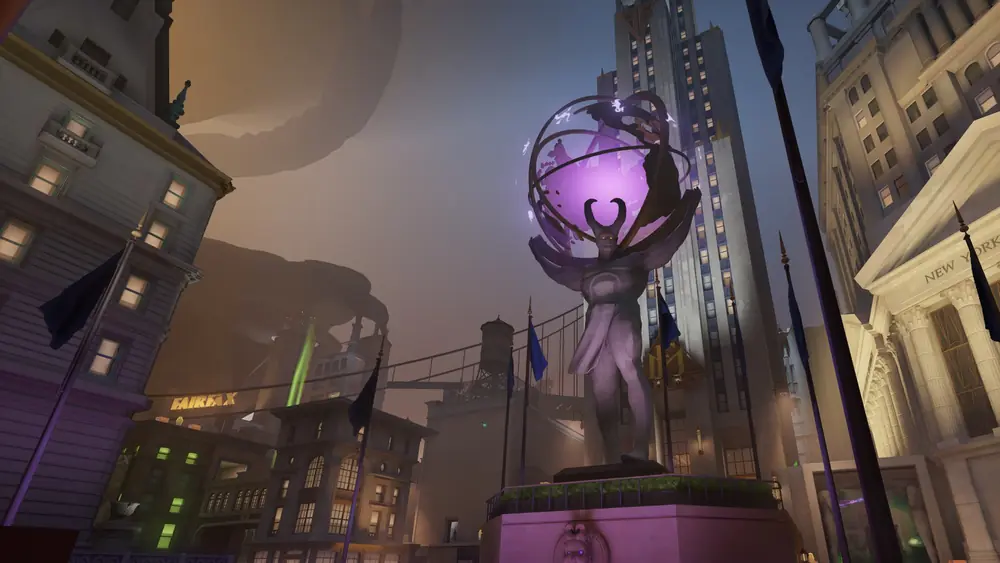
Scattered through them are new objectives worth knowing before you queue: a Sunken Plaza that drains stamina as you go deeper, a Chinatown bell tower that pays well but announces you to the entire map when you take the reward, crates that need a heavy melee to open, healing snacks hidden around the streets, and steam vents that grant brief invisibility and a trickle of regeneration.
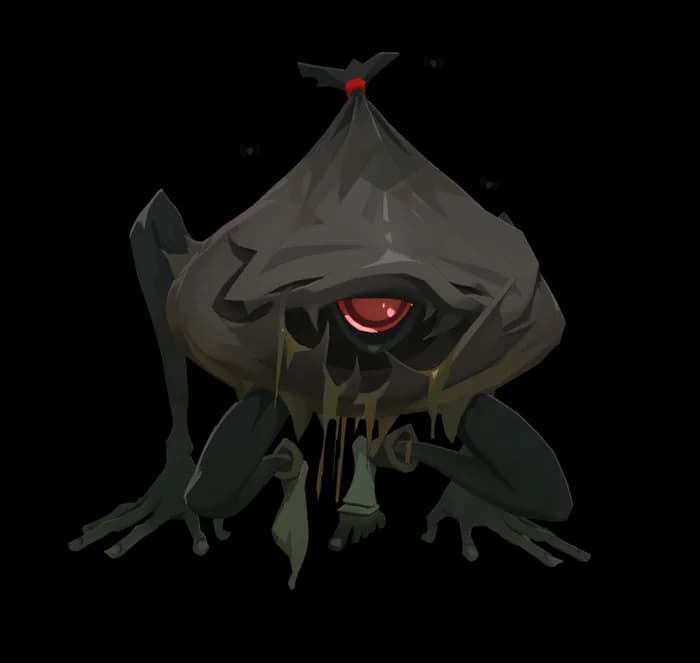
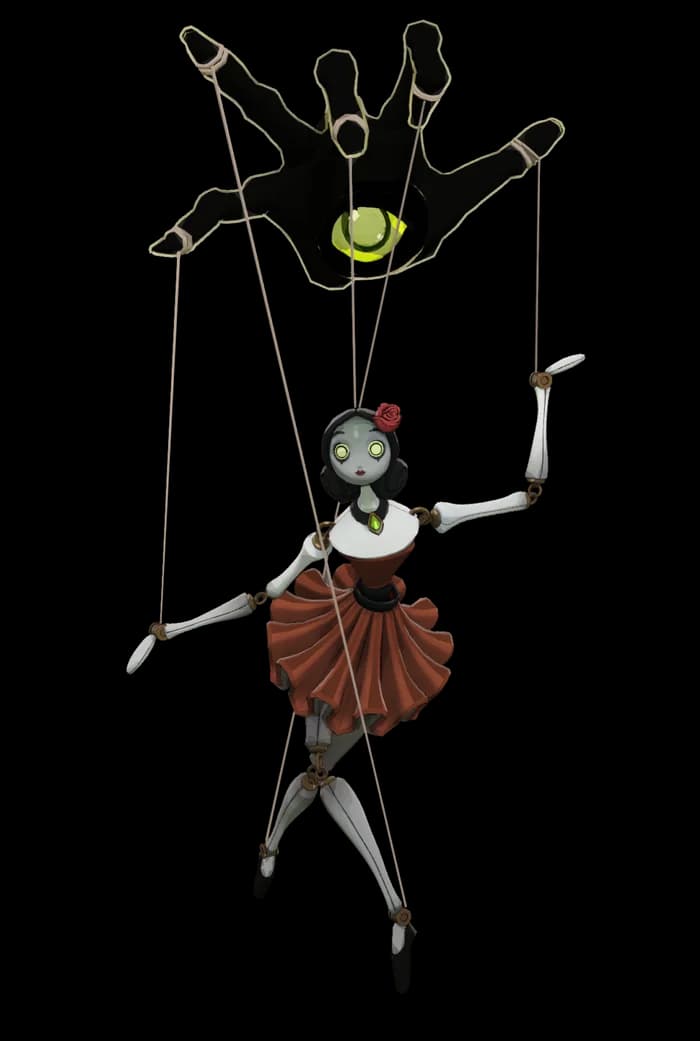
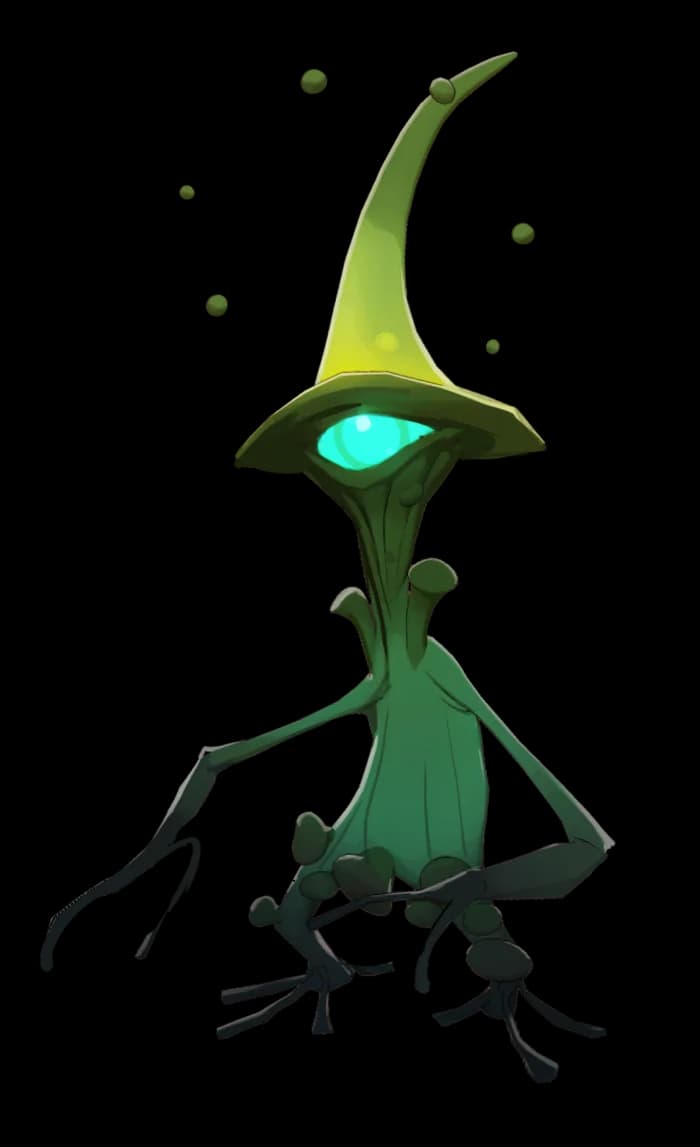
The neutral camps are entirely new creatures rather than reskins, each with its own behaviour.


The Broker
The most unusual addition. The Broker is a merchant who appears somewhere on the map, stays a short while, and moves on. He converts high-tier items into Corrupted versions — stronger, but each carries a random negative attribute drawn from a fixed set. Those attributes are rolled per match and are the same for every player in that game, so it is a shared gamble rather than a private one.

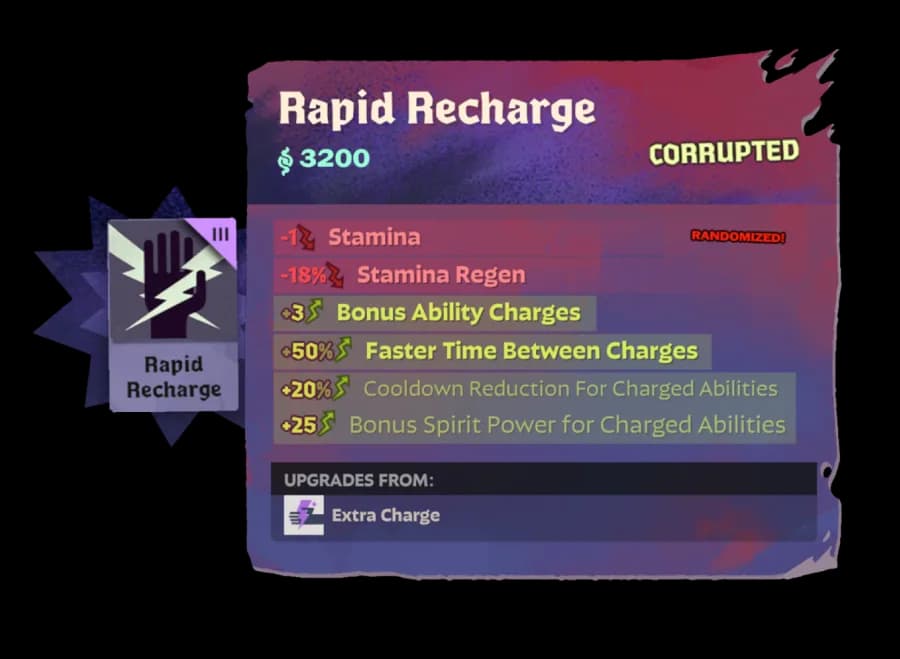
His first stock arrives around thirty minutes in, with more roughly every fifteen minutes after that. He is explicitly temporary: Valve has said he leaves once the first new hero arrives.
Worth being clear, since the question always comes up: this is not an item economy. Corrupted items exist inside one match and disappear with it. There is no store, no inventory, nothing tradable between players and no prices.
HUD, accessibility and tools
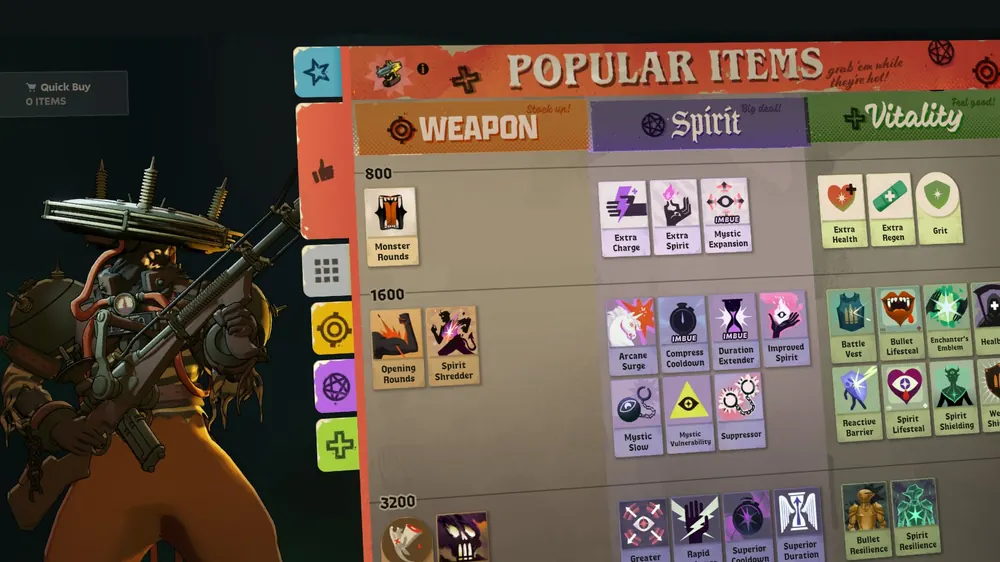
A large readability pass: reworked health bars that show current values, stamina and critical state; ally indicators at any distance; an event feed that names the item or ability that landed a kill; bounty and soul-bag information; and a rebuilt shop with filters and a "popular items" view driven by live player data.

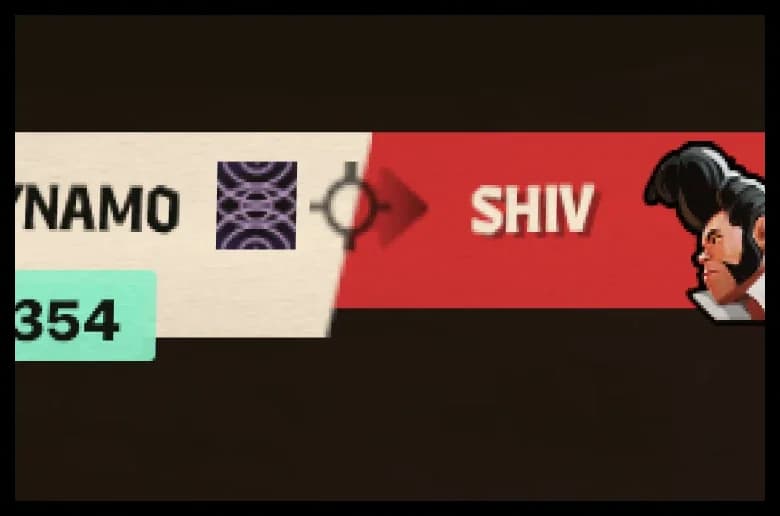
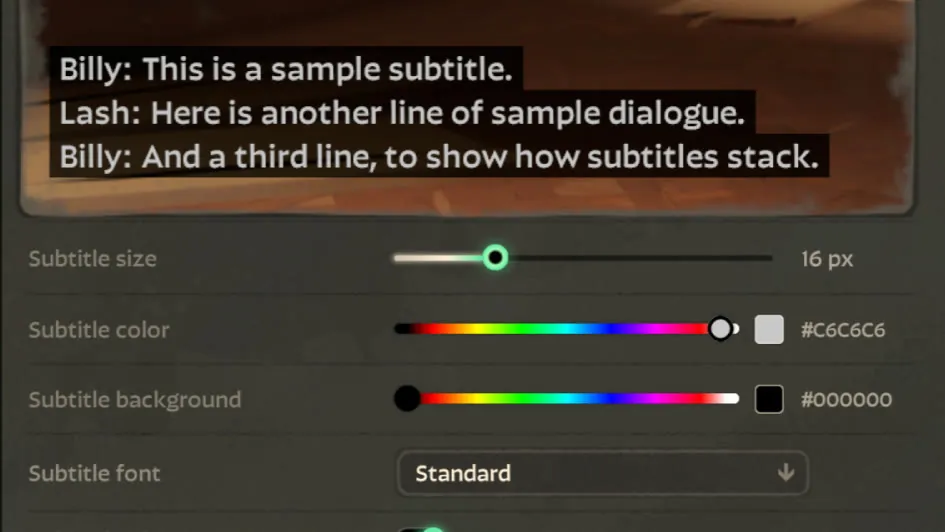

The accessibility group is genuinely new rather than cosmetic: subtitles with customisable size, colour and font; auto-move, auto-mantle and auto-fire; reduced camera shake; recolourable enemy UI and reticle. The ping system was rebuilt too, with over 15,000 new or updated ping lines and far more pingable targets.
Sandbox tools got the deepest expansion — bot recording and playback, a combat log, a DPS meter, a movement-speed graph, shareable keybind and reticle codes.
What this means for mods
An update this size moves files that mods depend on. Nothing here is a prediction that your mods are broken — it is where to look first. Our index currently holds:
The most exposed, in order:
HUD mods — 518 of them. The interface pass touches health bars, the event feed, the shop, targeting and pings. HUD mods work by replacing interface files, so a rework of those files is precisely the thing that breaks them. If you run a HUD overhaul, assume it needs an update.
Map mods — 35 of them. A small category, but the map was rebuilt rather than adjusted, so this is the category most likely to be affected outright.
Model replacements — 517 of them. Anything replacing a neutral creature is replacing something that no longer exists. Replacements targeting heroes are in better shape.
Skins — 2,791 of them. Usually the most resilient to a map update, because hero models are not what changed. That said, a patch this large has historically been the kind that shifts underlying rigs, so it is worth checking your installs rather than assuming.